easyJet
EasyJet mobile network takes off with BT
Leading UK airline taps country’s leading comms provider to help connect thousands of crew, aircraft and airports across operations spanning 35 countries and over 150 airports in Europe

UK airline EasyJet has announced it is working with leading UK comms provider BT to deliver thousands of mobile connections and keep operational assets linked up.
EasyJet was founded by Stelios Haji-Ioannou to offer low-cost fares in Europe, with the inaugural flights taking off in November 1995, flying from London Luton to Glasgow and Edinburgh. A year later, it introduced its first international route, from London Luton to Amsterdam, with further routes to Nice and Barcelona following that year, when it also operated its first wholly owned aircraft. In 1997, it was recognised as a financially viable airline, receiving its own Air Operating Certificate, and started to grow rapidly, introducing new routes and a second UK base in Liverpool.
By 2024, EasyJet had expanded its network to 30 bases by opening two new bases in Alicante and Birmingham, and now claims to be one of the largest airlines in the world, with 355 aircraft, operating 1,207 routes across 38 countries and 164 airports. The company has an all-Airbus fleet flying 82 A319 aircraft, 180 A320ceo, 75 A320neo and 19 A321neo planes.
In November 2025, the airline celebrated the 25th anniversary of its listing on the London Stock Exchange, a milestone that it said reflected “a quarter-century of growth, innovation and commitment to making travel easy and affordable for millions of customers across Europe”. In January 2026, it announced the retrofit of all its remaining Airbus A320ceo aircraft, with Airbus-manufactured “sharklets”, a key initiative that it said would deliver further fuel, carbon and cost efficiencies across its fleet.
To support the new communications network, BT will provide 23,000 mobile connections across the infrastructure of its EE network, supporting EasyJet’s operations in 35 countries and over 150 airports, from London Gatwick to Gran Canaria.
The airline provider will use the EE network to connect a range of devices, and BT is confident it can enable all pilots and cabin crew to access flight information and real-time training “seamlessly” on the go.
BT will also support EasyJet to deliver smart messaging to keep customers updated on flights; connect iPads that pilots and crew use to provide real-time flight information; connect smartphones, mobile phones and aircraft phones to allow communication between airline colleagues; and provide laptops and other hardware for workers.
Read more about airline connectivity
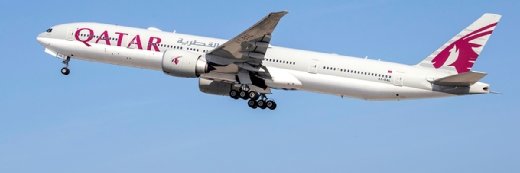
- Qatar Airways checks in SD-WAN to take operations to higher altitude: MENA airline’s worldwide roll-out of airline technology provider’s software-defined wide-area network claimed to set a benchmark for aviation connectivity and performance.
- ESA promises smarter flights for ITA Airways through sat comms: Italian airline deploys comms system designed to enable digital, real-time connectivity and offload current ground systems for air traffic management, showing how satellites can complement terrestrial infrastructure.
- Sita unveils next-gen fibre-optic comms for data-intensive airports: Air transport industry technology provider releases passive optical local area network designed to deliver uninterrupted, high-bandwidth connectivity across airports, addressing current bandwidth limitations, high latency and costly maintenance.
- IAG aircraft to take off with Wi-Fi Starlink connectivity: Leading airline group announces strategic investment in satellite-based Wi-Fi connectivity for its aircraft starting from early 2026, with speeds claimed to enable fast downloads, smooth streaming and cloud-based services.
All devices will be equipped with embedded subscriber identity modules (eSIMs), which BT says will offer a smarter, more efficient way to manage mobile connectivity. The eSIMs will enable remote setup, enhance security, reduce costs and simplify logistics, as well as support global operations while reducing waste and improving user experience.
Describing the partnership with EasyJet, Chris Sims, chief commercial officer at BT Business, said it was all about delivering the smart, seamless connectivity crucial for businesses operating at scale.
“By equipping thousands of devices with eSIMs on EE’s award-winning network, we’re enabling EasyJet to manage connections remotely, switch networks across borders and reduce the complexity of traditional SIMs,” he said. “It’s a future-ready solution that enhances security, boosts efficiency and keeps teams connected when they need it most.”
Read more on Mobile networks
-
![]()
SES gains altitude for in-flight connectivity with Boeing, Japan Airlines
By: Joe O’Halloran
-
![]()
Abra launches in-flight connectivity through SES multi-orbit craft
By: Joe O’Halloran
-
![]()
Qatar Airways claims Starlink in-flight connectivity benchmark
By: Joe O’Halloran
-
![]()
Emirates preps for world’s largest Starlink-enabled wide-body fleet
By: Joe O’Halloran