AlinStock - stock.adobe.com
US lawmakers quiz Meta over ‘dangerous’ facial recognition plans for smart glasses
Democratic senators warn that Meta’s plans to introduce facial recognition technology into smart glasses could lead to normalisation of mass surveillance and breach citizens’ rights

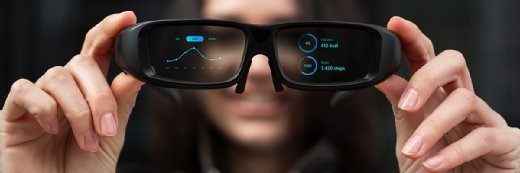
US lawmakers have written to the social media company Meta demanding answers over proposals to introduce facial recognition technology to its smart glasses, which the lawmakers say puts the privacy and civil liberties of citizens at risk.
Democratic senators have written to Meta’s chairman and CEO Mark Zuckerberg, warning that the “uniquely dangerous” plans could accelerate the “normalisation” of mass surveillance.
They warn that smart glasses could be used to capture images of thousands of people without their knowledge and instantly link them to names, workplaces or personal profiles, putting people at risk of stalking, harassment and targeted intimidation.
Meta’s plans, which were first disclosed by the New York Times, have raised particular concerns following the use of facial recognition tools by US federal agencies to identify people involved in lawful protest, which is protected under the First Amendment.
“This abuse of facial recognition tools demonstrates how easily real-time identification technologies can be repurposed to discourage political expression, target vulnerable communities and chill lawful dissent,” the letter stated.
Meta’s record over privacy questioned
Democratic senators Ed Markey for Massachusetts and Ron Wyden and Jeff Merkley for Oregan point to Meta’s poor record of protecting the privacy of its users, which – as Computer Weekly has previously reported – has frequently led to the company facing criticism.
According to the leaked memo, reported by the New York Times, Meta was advised to release the product “during a dynamic political environment where many civil society groups that would expect to attack us would have their resources focused on other concerns”.
The senators said that the disclosures suggested that Meta recognised the serious civil liberties risks of facial recognition, and was planning to limit scrutiny by launching the technology when “the world is distracted by the Trump administration’s daily chaos”.
Summary of key questions
- Can individuals – both device owners and people whose images the glasses capture – request deletion of their biometric data? If so, how does Meta ensure timely and complete deletion?
- Does Meta use biometric data collected through its smart glasses to train machine learning models or improve facial recognition algorithms? If so, how does Meta inform individuals and provide an opportunity to opt out?
- Has Meta conducted any internal privacy impact assessments or commissioned third-party audits of its biometric data practices related to smart glasses facial recognition?
- Does Meta plan to allow users to upload images of known individuals – such as friends, family members, coworkers or public figures – to create a personalised database for facial recognition matching?
- Has Meta evaluated the civil liberties risks associated with linking real-time facial recognition to its social media platforms, including the potential for stalking, harassment, doxxing or government misuse?
- Does Meta intend to share biometric data – or any outputs generated by facial recognition features in its smart glasses – with federal, state or local law enforcement agencies, including the Department of Homeland Security?
The senators point out that Meta abandoned facial recognition on its Facebook platform in 2011, citing wider ethical concerns about the use of facial recognition technology. The technology was used to automatically tag people in pictures and videos when they opted in to the service. The company held internal discussions about introducing facial recognition on its smart glasses in the same year, but decided not to go ahead.
“Five years later, Meta appears less worried about those societal concerns,” the senators wrote, “and is reportedly planning to deploy facial recognition technology in one of the most dangerous possible settings: smart glasses.”
Concerns about linking facial recognition to profiles
The senators said they are particularly concerned that the integration of facial recognition with social media profiles would allow users to instantly access an individual’s name or social media profile.
“Such real-time identification would dramatically lower the barrier to doxxing and persistent tracking, enabling bad actors to connect a face in a workplace, name or online presence in seconds,” they said.
They warn that allowing strangers “frictionless access” to details about people’s identity raises serious risks of “stalking, harassment and targeted intimidation, particularly for women, LGBTQ+ individuals and other vulnerable communities”.
The senators are seeking answers from Meta over how the company would obtain proper consent from people who are captured by smart glasses, how long their biometric data would be stored and whether the data captured would be used to train machine learning or facial recognition algorithms.
They are also seeking assurances from Meta about whether it plans to upload images of known individuals to create personalised databases for facial recognition, whether it plans to match images captured by smart glasses to profiles on Instagram and Facebook, and whether users of those platforms will have the option to opt out of having their data used in facial recognition.
The senators asked Meta to disclose what steps it intends to take to ensure facial recognition systems do not disproportionately harm people of colour, immigrants, religious minorities, LGBTQ+ individuals or other vulnerable populations, and whether it intends to share information gathered by smart glasses with law enforcement agencies, including the Department of Homeland Security.
Read more about facial recognition
- Met Police to ‘trial’ handheld facial recognition tech: London Mayor Sadiq Khan reveals in a scrutiny session with London Assembly members that the Met is set to trial a facial recognition phone app for police officers.
- British Transport Police start using live facial recognition: British Transport Police will deploy facial recognition for six months despite calls for the government to halt its rapid expansion of the technology.
- London Assembly member: Police should halt facial-recognition technology use: In lieu of a full-blown ban on the technology, Green London Assembly member Zoë Garbett has called for a number of new safeguards to be implemented that she feels would protect Londoners from ‘escalating’ biometric surveillance.