taa22 - stock.adobe.com
UK government kicks off plan to revamp citizen digital interaction
Labour has set out a roadmap for modernising digital government in a bid to streamline services and cut costs

In an attempt to address the complexity people often experience in dealing with government services, the UK government has unveiled CustomerFirst.
This is a new unit within the Department for Science, Innovation and Technology (DSIT), led by Tristan Thomas, formerly of Monzo, and Greg Jackson, CEO of Octopus Energy. It aims to bring together the best civil service operators alongside leading private sector disruptors and transformation specialists. The plan is to use CustomerFirst expertise to rewire government services, making use of AI and best practices from the private sector.
The Blueprint for modern digital government report, published last year, set out six steps to achieve a digital state. At the time, the government also recognised major challenges that were preventing digital government from progressing.
Although the government spends over £26bn annually on digital technology and employs a workforce of nearly 100,000 digital and data professionals, institutionalised fragmentation is holding back digital government services. Problem areas include persistent legacy, cyber and resilience risk; siloed data; under-digitisation; inconsistent leadership; a skills shortfall; diffused buying power; and outdated funding models.
A year later, the government has published its Roadmap for a modern digital government. The roadmap states that public services are being redesigned to be quicker, more accessible and easier to use, while also being cheaper to run and costing less to the taxpayer. The roadmap includes digitisation of the planning system to accelerate house building and a goal to simplify how people manage their benefits and taxes online.
CustomerFirst is being positioned as one of the initiatives the government will use to deliver savings for taxpayers through end‑to‑end reform and smarter use of technology by departments. There is a potential £4bn saving from moving service processing online, rather than by phone, post or in-person.
Discussing the need to streamline how people interact with government departments, the minister for digital government, Ian Murray, said: “Too often, people are put off from interacting with the services they need by the frustration that comes with waiting on hold, filling in endless forms, and jumping through hoop after hoop.”
He said the government would redesign services so they meet the demands of modern life.
Technology such as artificial intelligence (AI) will be deployed to achieve this objective. Greg Jackson, founder and CEO of Octopus Energy, said: “With modern technology, including AI, and even more importantly empowered teams whose job it is to help citizens, we can improve service without increasing costs.”
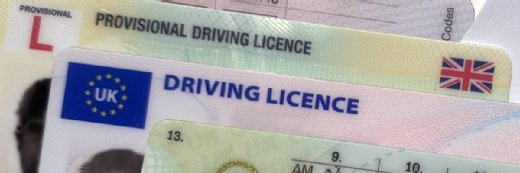
The Driver and Vehicle Licensing Agency (DVLA) is the first government department to work with CustomerFirst. It aims to improve how the DVLA handles millions of customer interactions each year related to driving licences, vehicle registration and other motoring services.
DSIT said the DVLA will become a blueprint for improving services across government departments. DVLA CEO Tim Moss said: “DVLA has a track record of delivering great digital services, and we are keen to build on this and further develop the next generation of high-quality services that citizens should expect.”
As part of its roadmap for modern digital government, DSIT said it was looking for senior and experienced talent with expertise in service design, solutions architecture and product management.
Read more about digital government services
- UK government funds 80 digital skills schemes: The £11.7m Digital Inclusion Innovation Fund will support projects across the UK to help people gain digital skills and access to devices.
- Do government services need a rethink for AI and automation? Evidence presented in a Public Accounts Committee report covering smart public services delivery suggests a change in tack is needed.
Read more on Artificial intelligence, automation and robotics
-
![]()
Gov.uk chatbot makes government services faster to access
By: Cliff Saran
-
![]()
UK government lacks ambition to fight tax fraud, says PAC
By: Alex Scroxton
-
![]()
Sonia Patel to become interim UK government chief technology officer
By: Lis Evenstad
-
![]()
UK government begins trials of digital driving licence
By: Bryan Glick